Three weeks later, Nick and I made the journey back to Mayo clinic in Rochester for repeat scans and an office visit. Nick was optimistic and encouraging and swore the treatment was working. I was tolerating the treatments well and was able to continue working out and setting PRs. Myself, on the other hand, was less confident that treatment was working. I had started feeling the early satiety and fullness again.
Unlike most hospitals, Mayo’s imaging results are available about an hour after the scans. I was terrified to look prior to my appointment so I told Nick I wanted to run a 5k. I had never ran more than 1.5 miles in the past. We had a wonderful time running around Rochester. I only had to stop for about 30 seconds around the 2 mile mark as I began feeling dizzy. I stripped off my hat covering my bald head and kept chugging along. We then showered and went to my appointment.
My doctor came into the room and said “well, we have to take it out.” At first, I thought “Yes! The treatment is working. The tumor shrunk and now they can safely remove it.” Her next words were something along the lines of the tumor grew and needs to go. I was quite dumbfounded. I could have sworn she told us that if this didn’t work, we would try multiple different treatments until we found something that worked. She had spoken with the surgeon earlier that morning who agreed with her plan. They both wanted to book me for surgery ASAP. We ended up leaving quite defeated, with a video visit scheduled with the surgeon a few days later.
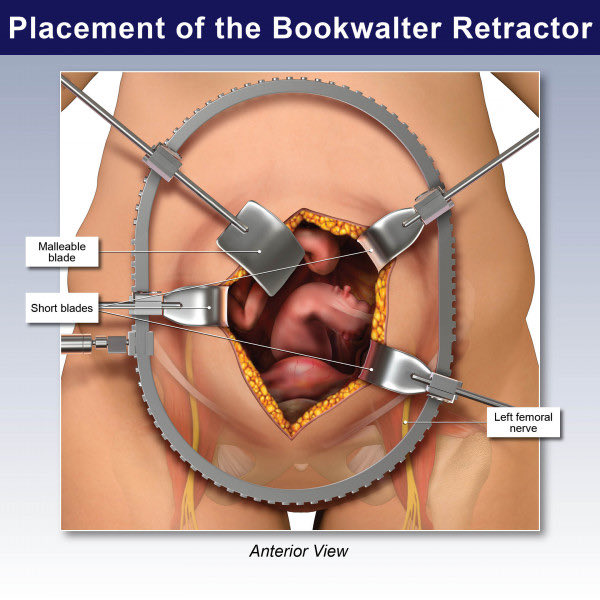
The surgeon had booked me a week later for left adrenalectomy with possible nephrectomy, possible splenectomy, possible partial pancreatectomy, possible partial gastrectomy, possible left partial hemidiaphramectomy with reconstruction. Possible, possible, possible. Obviously that list was incredibly daunting. I had only ever had very minor surgeries on my feet so the prospect of being sliced and diced with so many parts removed did not sit well with me. I couldn’t get over the fact that my endocrinologist told me that we would try other treatments if the EDP didn’t work.
I had an appointment with Dr. Hammer, endocrine oncologist at University of Michigan and one of the few adrenal cancer specialists. I told my surgeon that I wanted Dr. Hammer’s opinion prior to surgery and he said “you should do whatever Dr. Hammer tells you to do.” Of course, nothing can be easy. Dr. Hammer’s recommendation was quite different than my Mayo team. He recommended a trial of Keytruda, an immunotherapy. He used a Star Trek reference that I can’t recall specifically, but said that the tumor has a cloak. The Keytruda removes the cloak so my body can attack the cells. EDP works in 30% of people, Keytruda works in 30% of people. Dr. Hammer explained that if I had surgery and there was some complication with healing, that would delay my treatment, and my lung metastases might kill me.
When I first got diagnosed, when researching different specialists and treatments, I got this sense of excitement when I saw Dr. Hammer’s name. I also got the same excitement when I read about Keytruda the first time. I had a gut feeling that this was the route to go. And it made sense to me. I am healthy, other than my cancer. Why not give my immune system the help it needs to get rid of the cancer? To muddy the waters even more, after my UofM appointment I reached out to my doctor at Mayo. She said that while it was a different approach, there was no wrong answer and to do whatever I felt was right. However, she also said that typically they start their patients on both immunotherapy in conjunction with a TKI inhibitor. I called Dr. Hammer back. He said that taking both was reasonable, however, TKI inhibitors have more side effects and why not give the Keytruda a chance to work first and add it down the road if it isn’t working. I ended up cancelling surgery and elected to start just the immunotherapy. This choice I made is another one of my regrets.
 Adrenal Courage
Leave a comment